
Morgan Ortagus: America Is Winning and Iran Is Losing Badly
In a recent National Review piece, Morgan Ortagus argues that the United States has fundamentally shifted the balance of power in the ongoing Iran War and that the Iranian regime is facing one of the most difficult periods in its history. According to Ortagus, years of American hesitation and deterrence failures allowed Iran to expand its influence across the Middle East, but recent U.S. actions have dramatically weakened the regime’s military, economic, and political position.
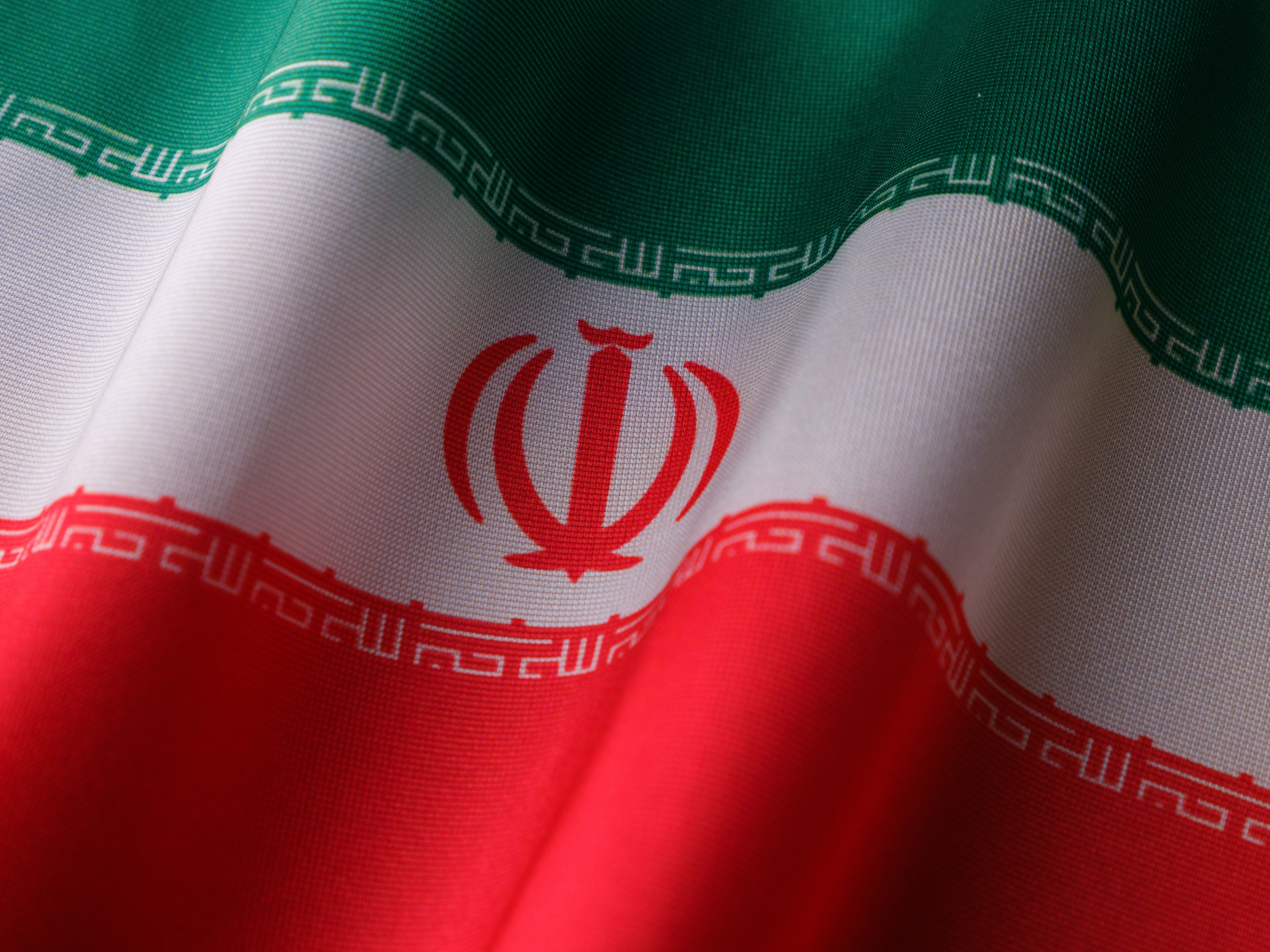
Read the Full Article on National Review
Ortagus contends that much of the public discussion surrounding the Iran War has focused on fears of escalation while overlooking the significant setbacks suffered by Tehran. She points to reports of economic collapse, military degradation, and growing domestic unrest inside Iran as evidence that the regime’s ability to project power is rapidly diminishing. In her view, Iran’s leadership is increasingly struggling to maintain the image of strength it has cultivated for decades.
A central argument of the article is that the conflict did not begin recently but has been unfolding for nearly half a century. Ortagus traces the roots of the Iran War to the founding of the Islamic Republic in 1979, arguing that Iran has spent decades supporting terrorist organizations, targeting American interests, and destabilizing the Middle East through proxy groups. She criticizes both Republican and Democratic administrations for responding too cautiously to Iranian aggression, allowing the regime to expand its influence and military capabilities over time.
Ortagus contrasts those past approaches with President Trump’s strategy, which she describes as one based on strength rather than accommodation. She argues that recent military operations have significantly damaged Iran’s nuclear infrastructure, missile production capabilities, naval assets, and military leadership. According to her assessment, the regime’s ability to threaten its neighbors and support terrorist proxies has been severely reduced.
The article also addresses ongoing negotiations with Iran. While some observers interpret Iran’s hardline rhetoric as a sign of leverage, Ortagus argues the opposite. She believes Tehran’s aggressive negotiating posture is intended to mask weakness rather than demonstrate strength. In her view, the regime’s economic troubles, declining oil revenues, and shrinking ability to fund proxy organizations reveal a government operating from a position of vulnerability.
Throughout the piece, Morgan Ortagus emphasizes that the ultimate objective of the Iran War is not simply military victory but long-term security. She argues that the United States must continue applying pressure to ensure Iran never obtains a nuclear weapon and can no longer threaten American interests, Israel, or regional stability. While acknowledging the sacrifices made by U.S. service members, she maintains that sustained resolve is necessary to prevent future conflicts and create conditions for a more secure Middle East.
Ortagus concludes that abandoning what she describes as a “fear-based” approach to Iran has produced tangible results. Her central message is that American strength, combined with sustained economic and military pressure, has put the Iranian regime on the defensive and created an opportunity to reshape the strategic landscape of the Middle East for years to come.
Read More By Morgan Ortagus
Morgan Ortagus is a leading voice on U.S. foreign policy , national security, and Middle East affairs. Drawing on more than two decades of experience in government, diplomacy, finance, and military service, she provides informed analysis on the most pressing international challenges facing the United States.
As a former Deputy Presidential Special Envoy to the Middle East, Special Representative for Lebanon, Counselor to the U.S. Mission to the United Nations, and spokesperson for the U.S. Department of State, Ortagus brings firsthand experience to discussions on diplomacy, global security, and American leadership abroad.
In addition to her television appearances , Ortagus regularly contributes commentary and opinion pieces on foreign policy, national security, and geopolitical developments. Explore more of Morgan’s articles , media appearances, and writings on Killbox to learn how her experience in diplomacy and national security shapes her perspective on America’s role in the world and its relationships with allies and adversaries alike.